Dynamic spark motion system. Bringing the Intel brand to life.
Client: Intel Corporation
Product: Intel Core, Intel Evo, Edge Computing
Scope: Master brand translation to sub-brand systems
Role: Associate Design Director
Intel's rebrand marked a strategic shift from a component-led identity to a platform and ecosystem brand spanning consumer devices, enterprise infrastructure, AI, and edge computing. My role sat at the intersection of strategy and design direction with a focus on turning complexity into clarity.
As competition in the processor market intensified, Intel’s brand no longer reflected the pace or ambition of its technology. The existing identity system, shaped by years of incremental updates, had become dated and fragmented, making it difficult to clearly express Intel’s expanding portfolio across consumer, enterprise, and emerging platforms.
The challenge was uniquely complex: Intel could not simply modernize or reinvent itself. As one of the most recognizable and trusted names in technology, the brand carried decades of equity that needed to be preserved. The task was to re-architect Intel’s identity to signal future-ready innovation while maintaining the familiarity, trust, and legacy that defined the brand—creating a system capable of competing in the next generation of computing without losing its past.
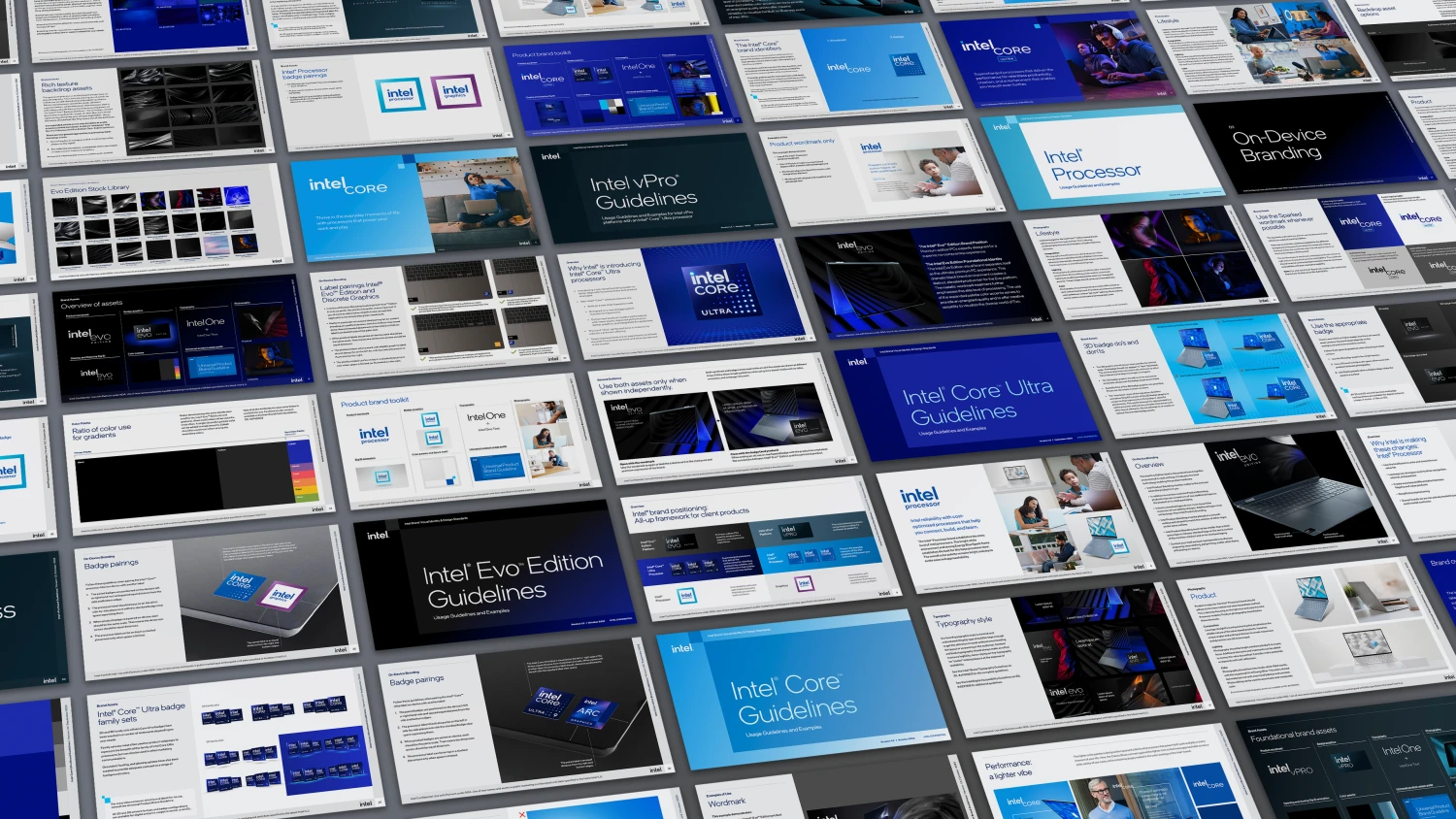
In 2021, I was brought onto a newly formed Brand Design team at VML. This was a group dedicated to identity systems and long-term brand governance. One of our first major initiatives was the pitch and eventual rebrand of Intel, which was entering a pivotal moment in its history. Intel had only undergone two major rebrands in its entire existence, making this the third and most consequential. The stakes were high. We spent nearly six months embedded in a dedicated war room, conducting a comprehensive audit of Intel's design systems, sub-brands, and product expressions. The objective was not cosmetic change, but the creation of a future-ready brand architecture capable of supporting the next generation of computing.
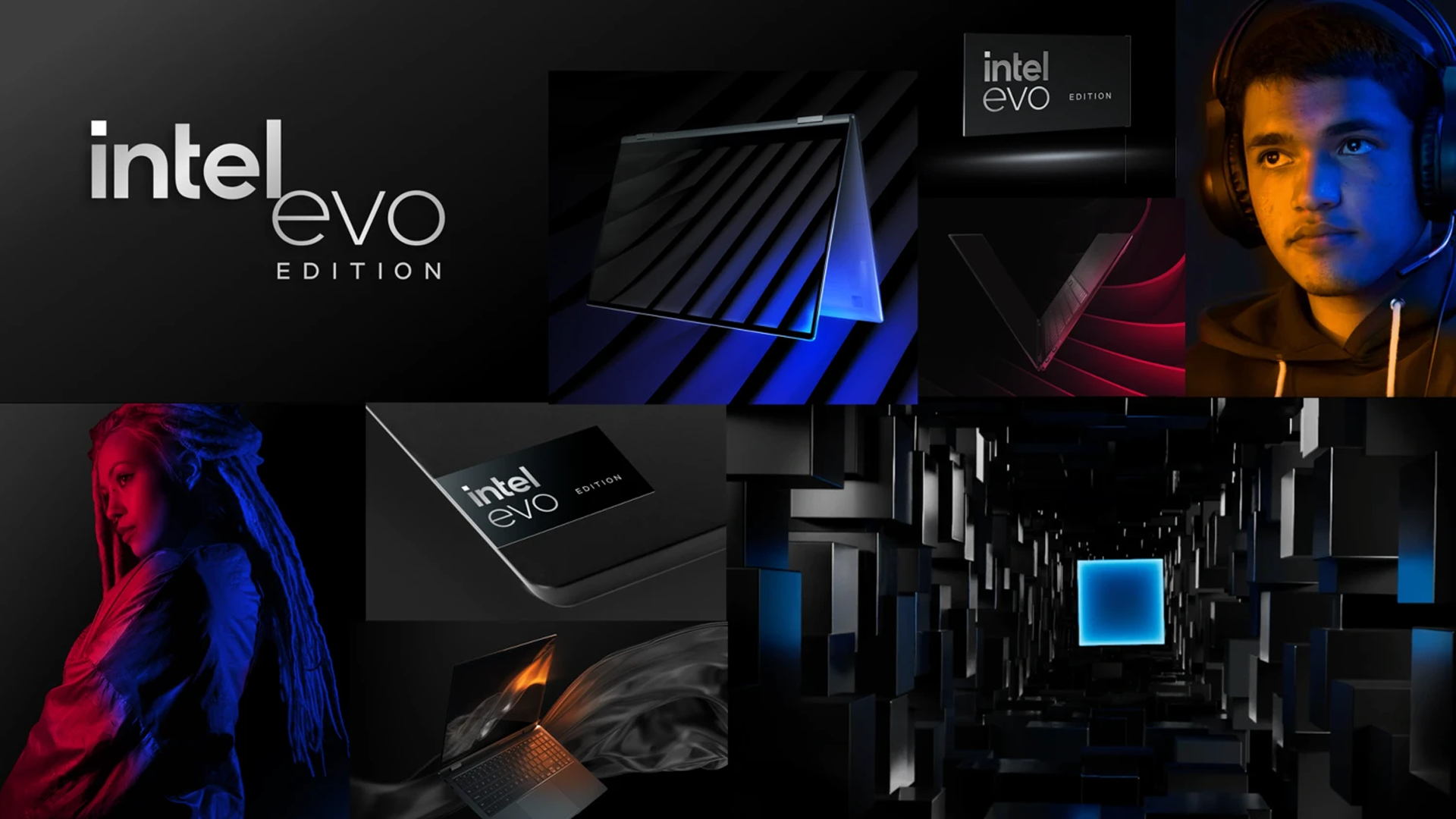
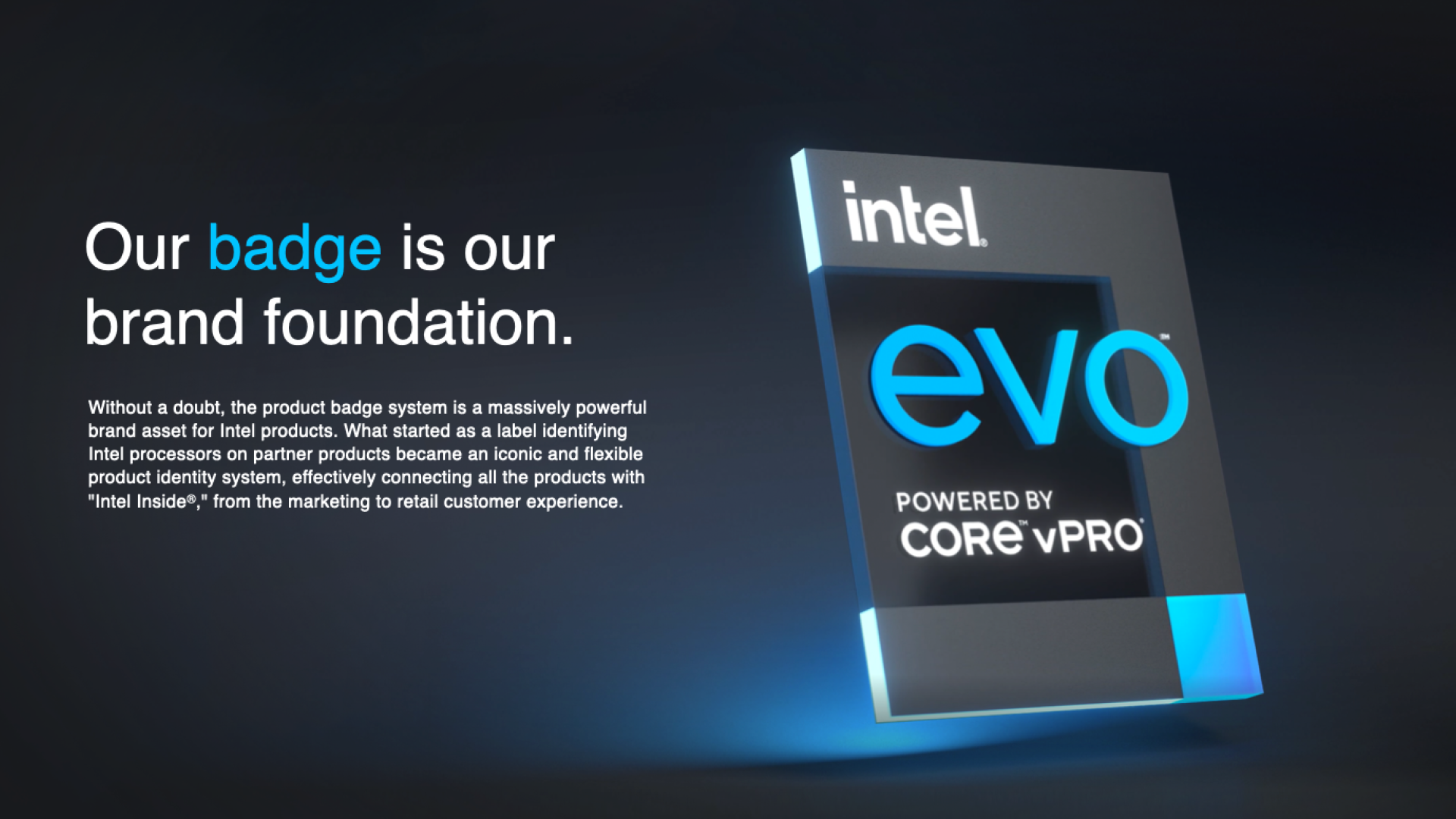
Winning the pitch was a defining moment for both VML and the newly established Brand Design team. Once the work began, I was tapped to help lead creative direction across Intel's most critical product pillars Core and Evo. Evo represented Intel's first true all-in-one laptop platform, and the challenge was evolving it from a purely technical designation into a premium, consumer-facing brand that could clearly communicate performance, reliability, and experience. In parallel, I helped lead efforts to redefine the Core processor family (i3, i5, i7, and i9) bringing clarity, hierarchy, and cohesion to a system that had become fragmented over time. We transformed what had traditionally been a simple sticker into a true badge. A badge with presence, motion, and visibility giving the brand greater life and meaning across Intel's products.
Beyond consumer processors, I also helped establish the visual language for Intel's abstract technology portfolio, encompassing IoT, 5G, edge computing, cloud, and AI. This required designing a system flexible enough to express invisible, highly technical platforms while remaining unmistakably Intel. Each technology was given its own motion behavior, allowing the system to communicate differentiation through movement as much as form.
Dynamic spark motion system. Bringing the Intel brand to life.
Core brand identity exploration. Establishing visual hierarchy and system architecture.
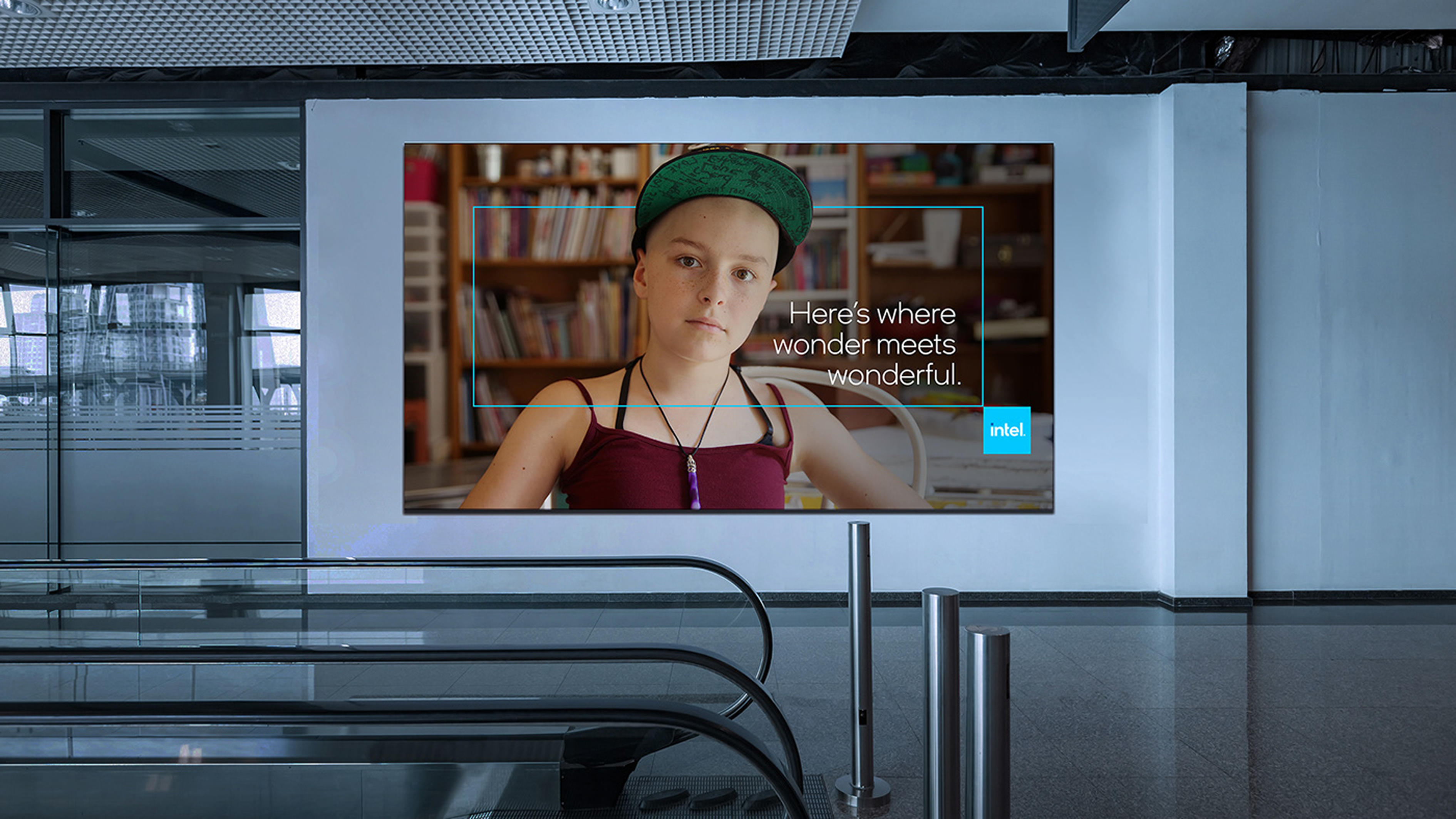
Brand application framework. Flexible system for digital and print touchpoints.

Intel Core processor branding. Premium tier visual language and motion.
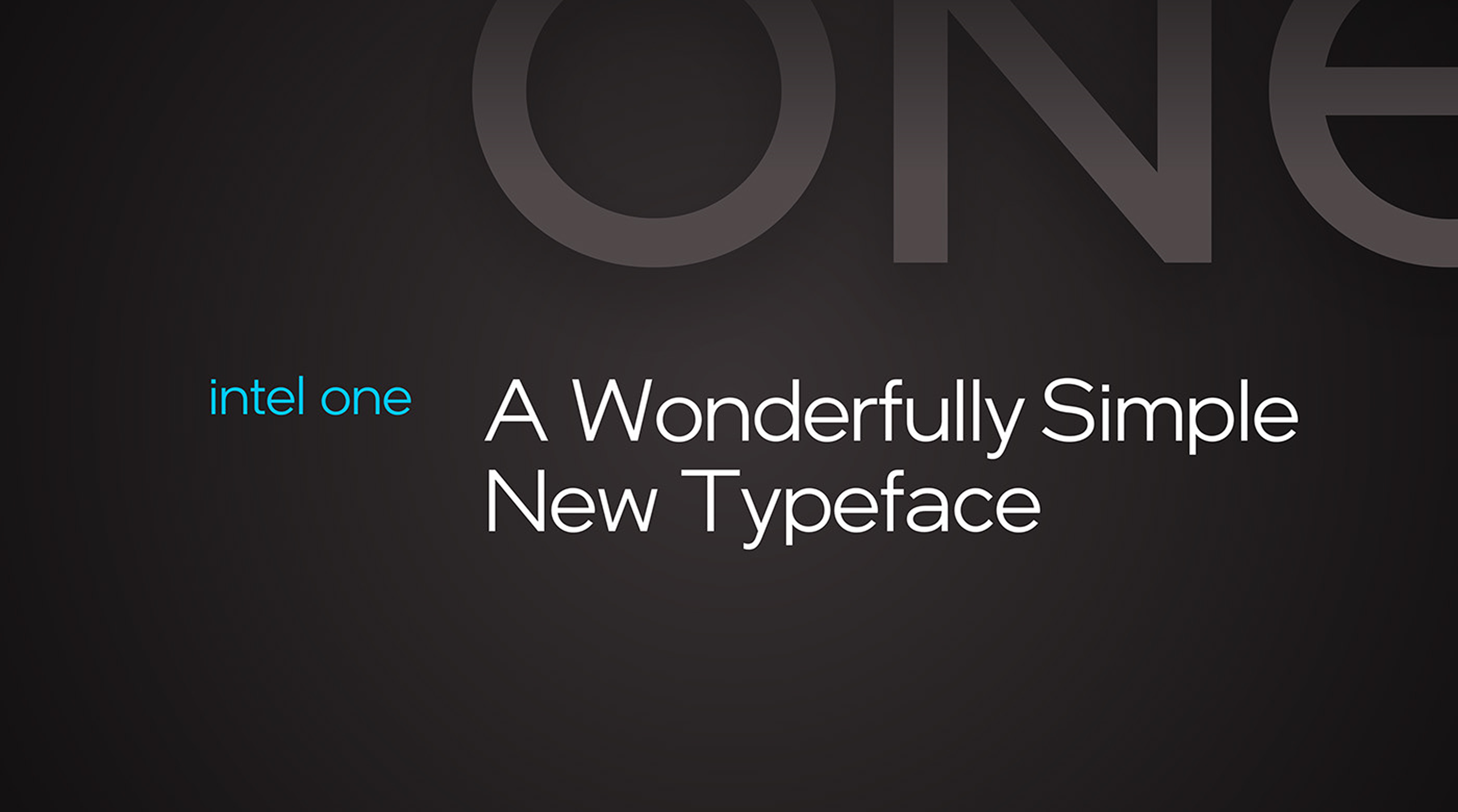
Typography and color system. Building consistency across product lines.
Badge system development. Modular approach for product differentiation.
Title screen animation exploration. Cinematic approach to brand storytelling.

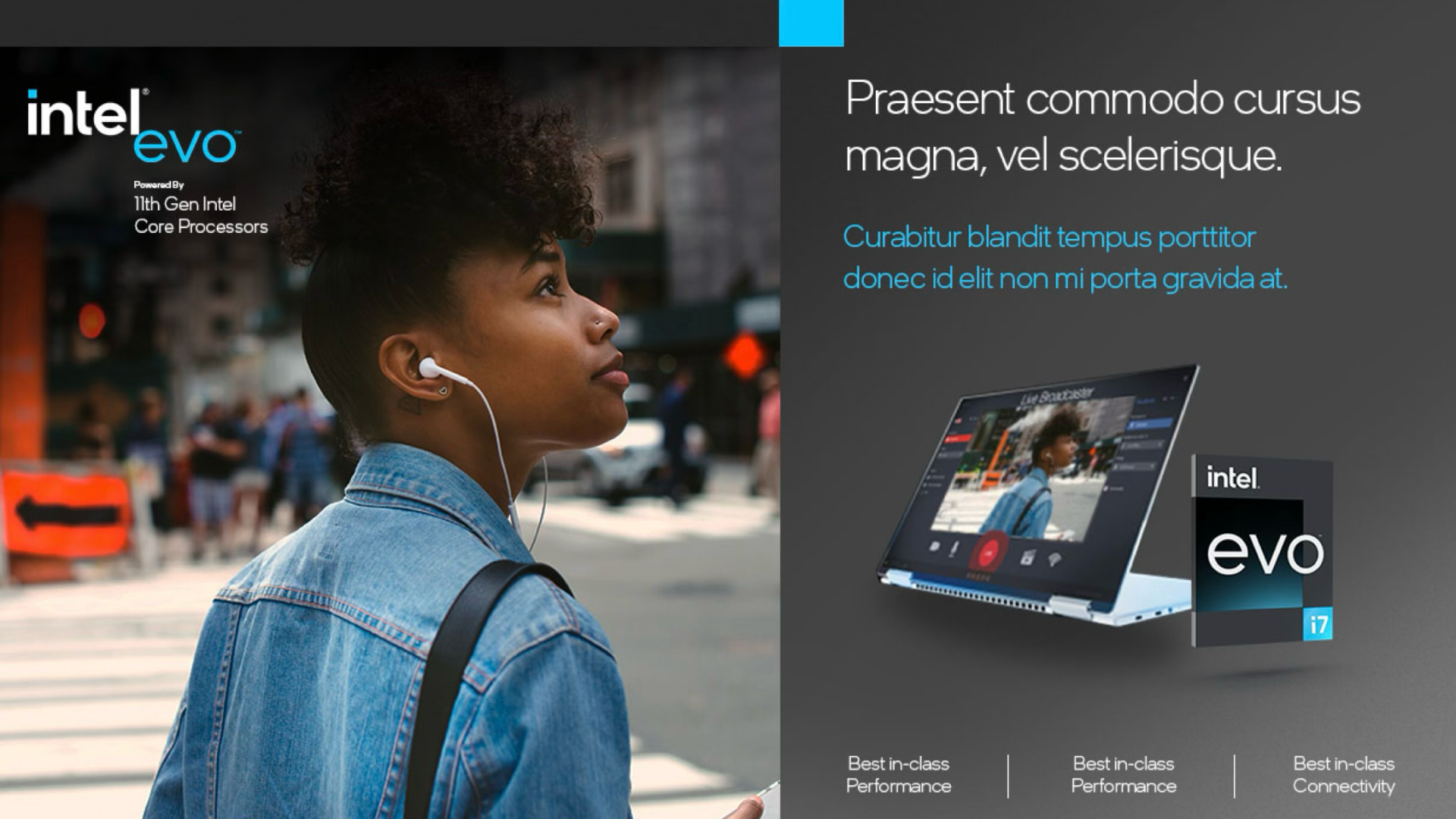
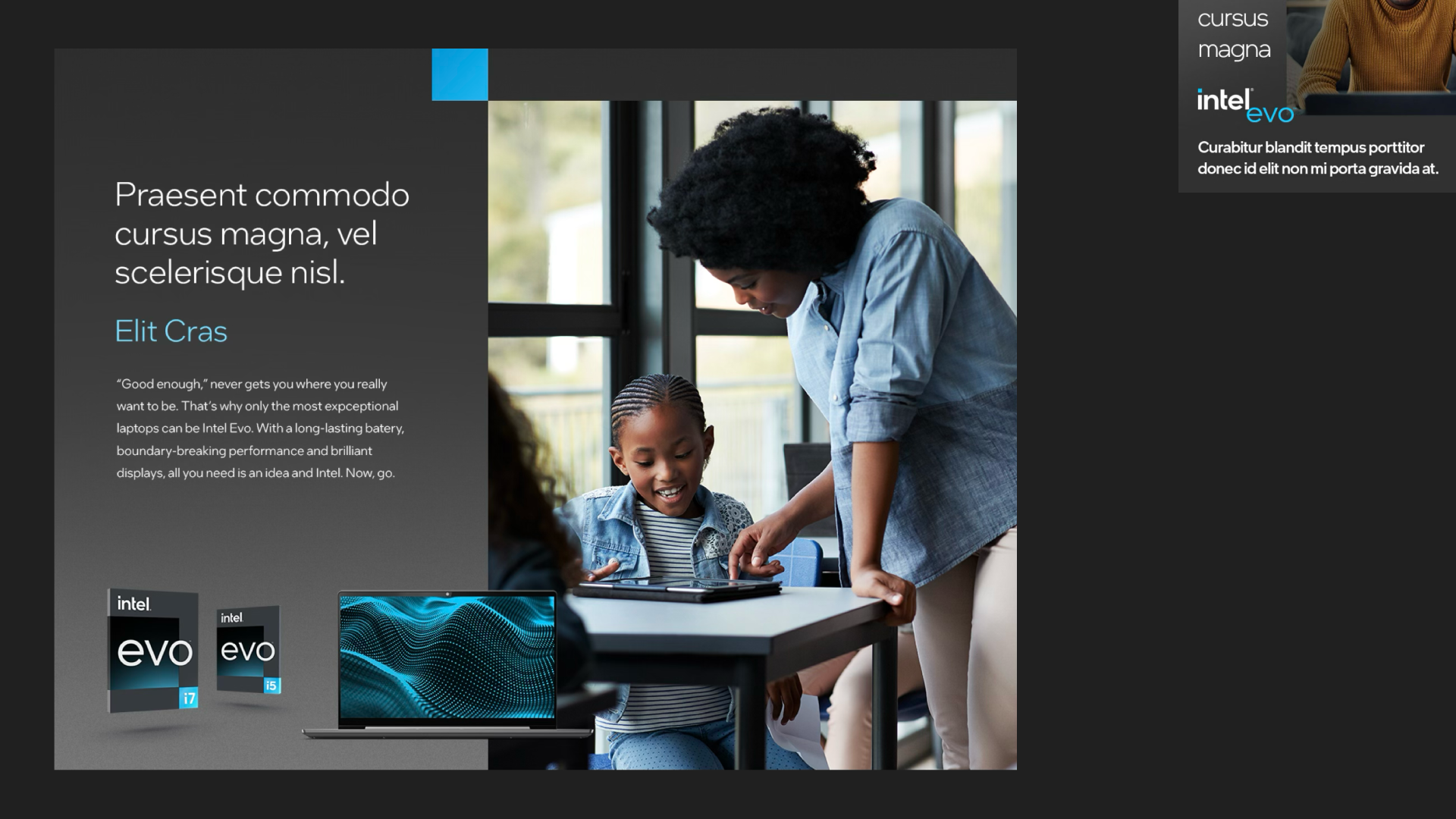
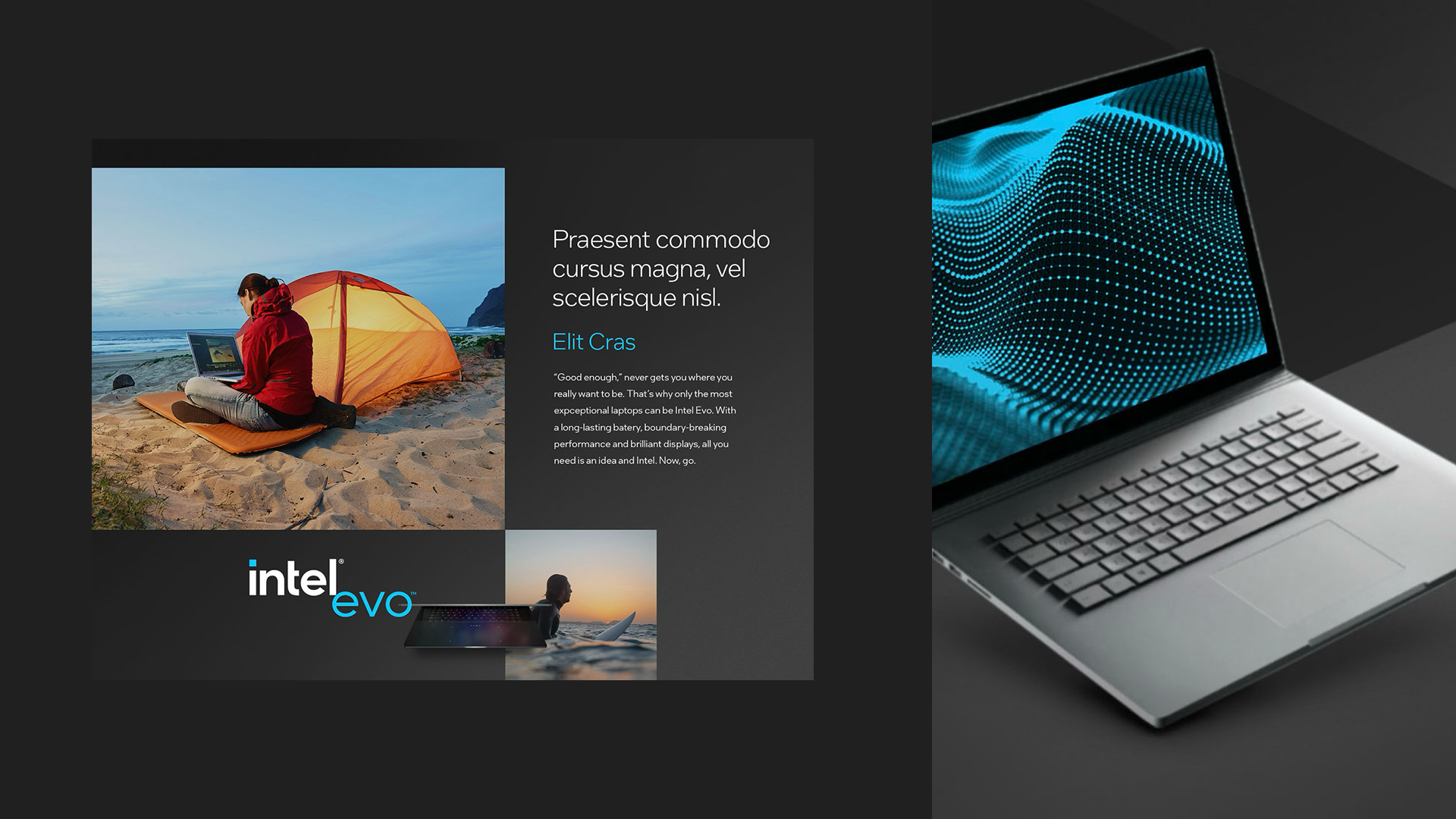
Intel Evo badge animation. Premium laptop platform identity.
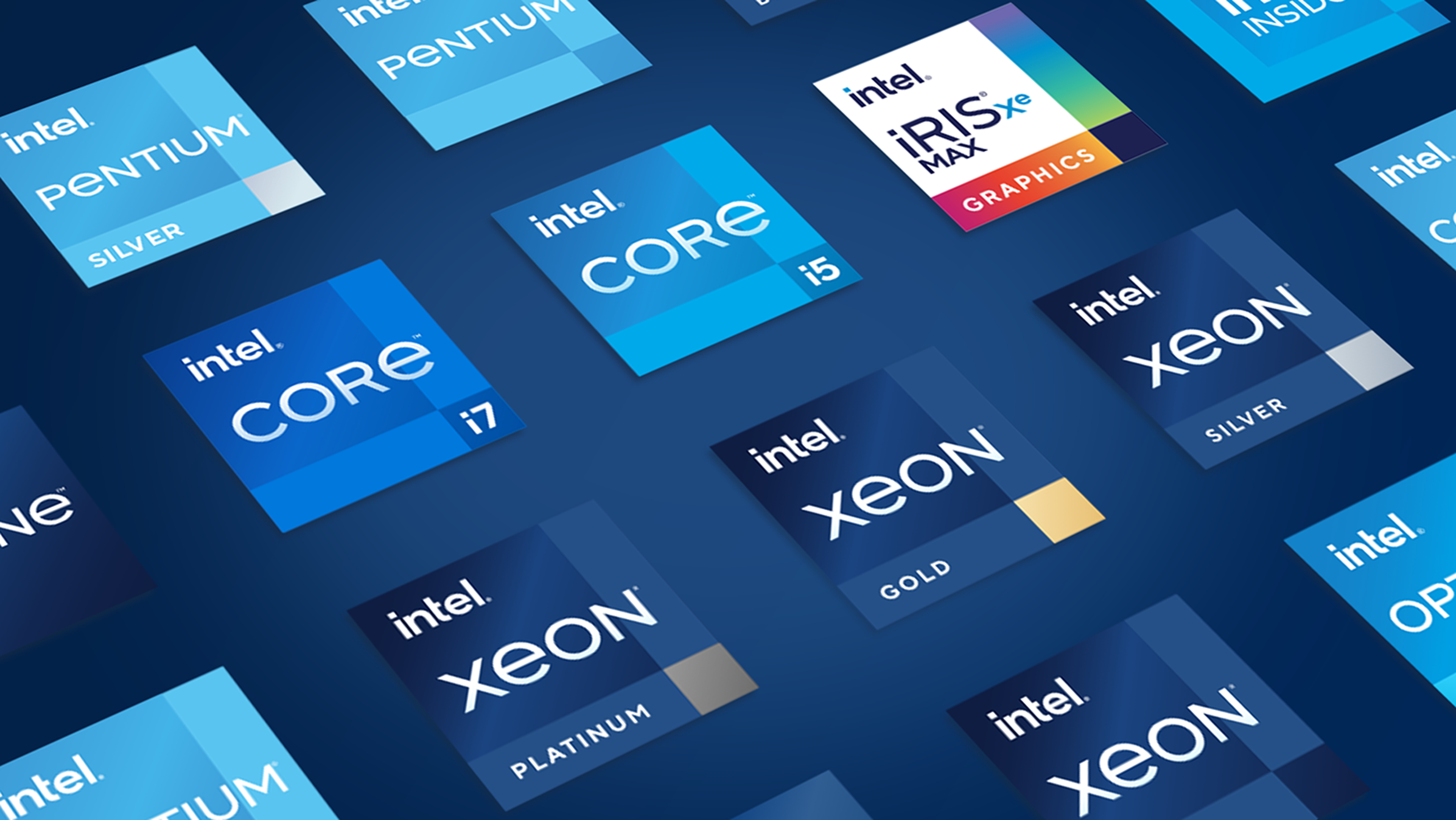
Product ecosystem visualization. Comprehensive portfolio architecture.
Environmental scene rendering. 3D visualization and lighting studies.

Marketing campaign assets. Cross-platform brand consistency.
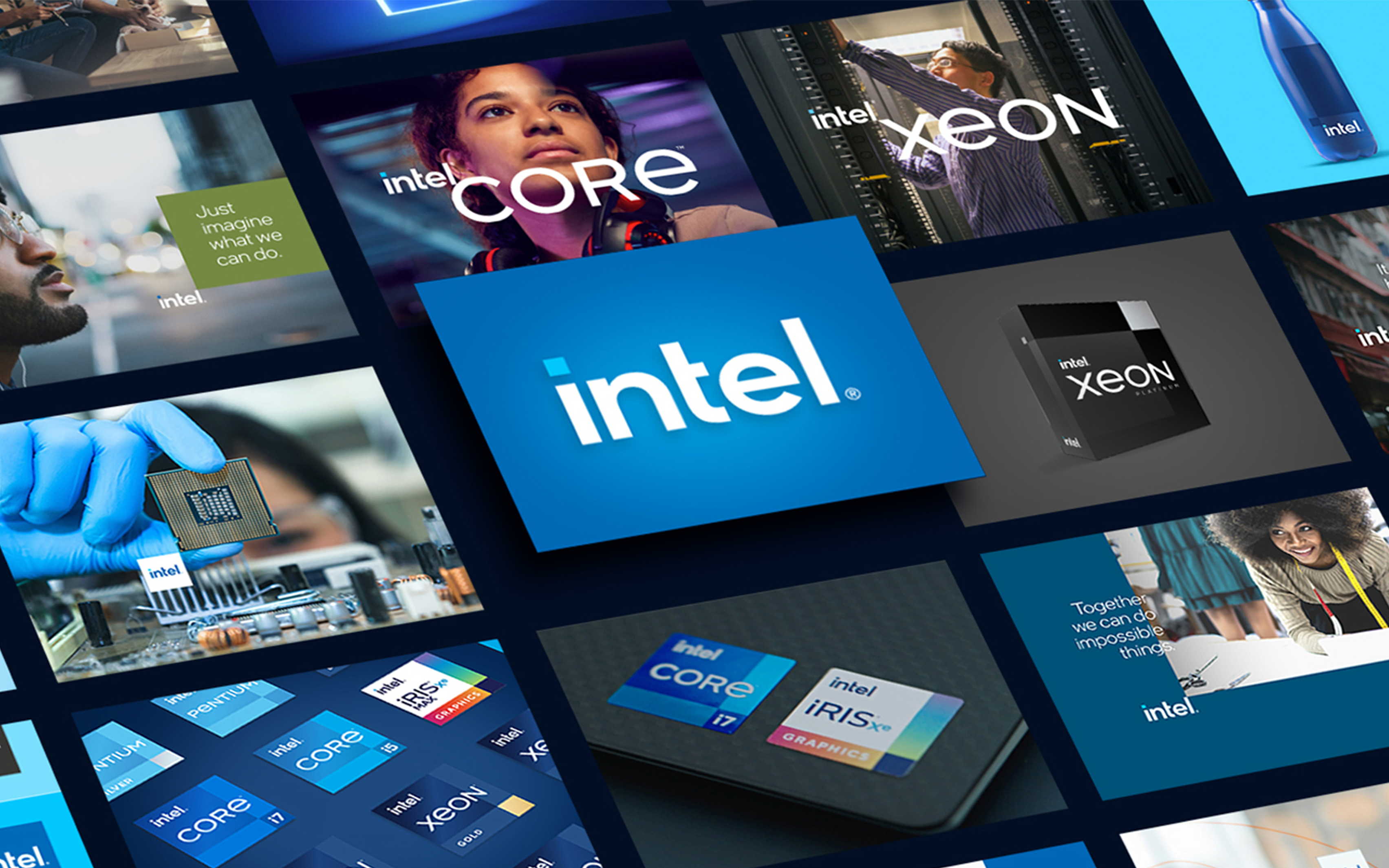
Final brand guidelines. Comprehensive system documentation.
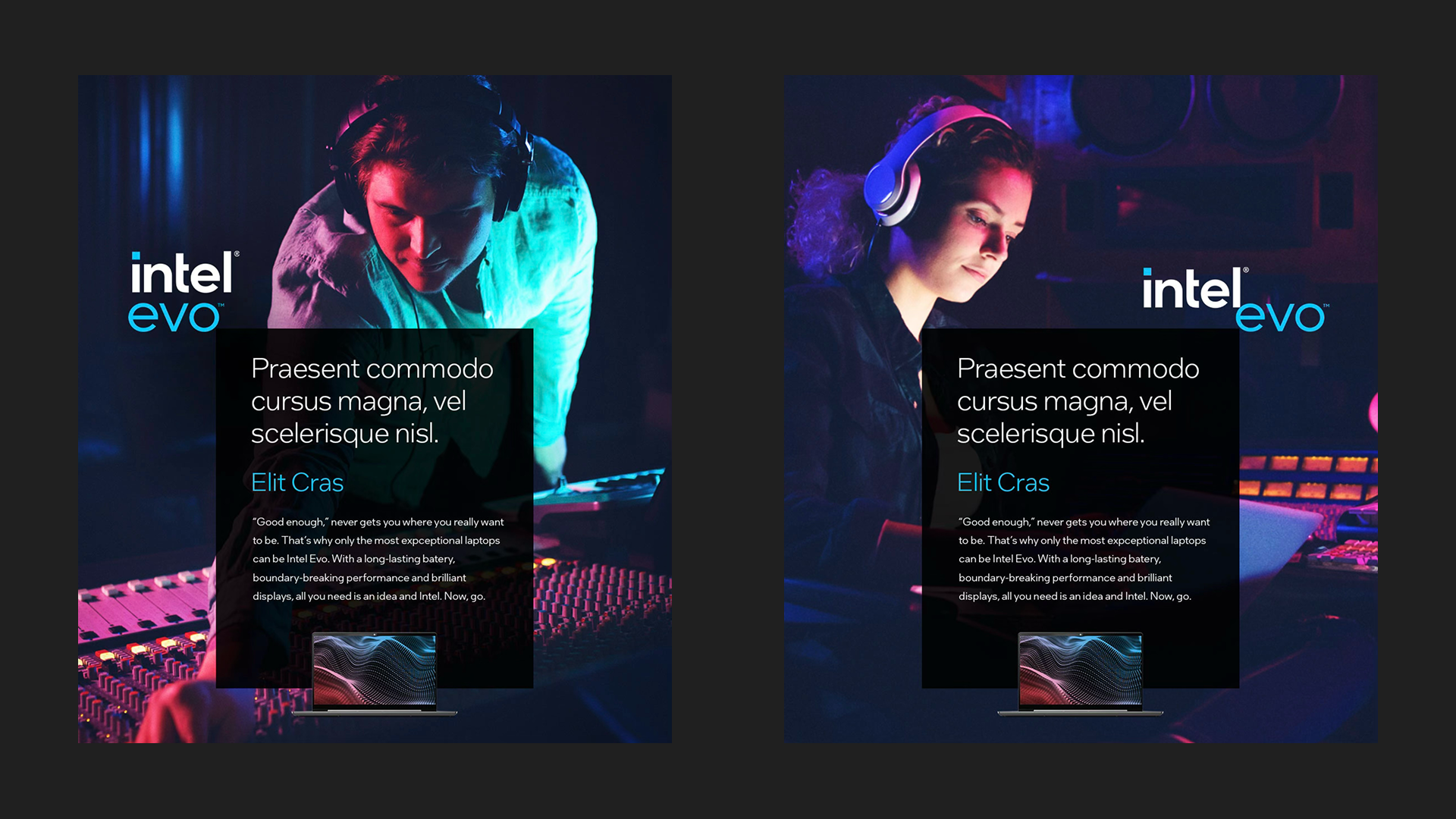
My focus was helping define Evo as an experience-first trust mark rather than a technical specification or processor badge. I worked to translate abstract performance standards such as responsiveness, battery life, and instant wake into clear, consumer-facing design cues that emphasized outcomes over components. This meant designing a visual and system language that could clearly communicate what Evo delivers, while establishing hierarchy and usage rules so it could coexist alongside other Intel processors without creating brand confusion. Throughout the process, I guided design decisions toward consistent Evo usage across OEM, retail, and marketing touchpoints.
I worked on the creative direction for Edge Computing with the goal of making an invisible, highly technical concept feel understandable and real. Rather than treating edge as a set of disconnected solutions, I focused on building a cohesive brand experience by translating ideas such as distributed intelligence, real-time processing, and AI at the edge into motion-driven storytelling. I defined how each technology should behave using speed, rhythm, and environmental context to reflect how data moves, responds, and scales at the edge, allowing motion itself to become a differentiator. By shaping distinct animation patterns and visual metaphors, I gave each technology its own personality while maintaining a unified system. Throughout the process, I worked closely with Intel stakeholders to balance technical accuracy with clarity, ensuring the final system felt credible to experts and accessible to broader audiences.
Brand Identity System
Esports Platform Design
Automotive Innovation
Didnt Make the Cut, but Won My Heart
Currated from my archive