Client: Ford Motor Company
Product: FordPass
Scope: Mach-E Ford EV Launch
Role: Senior Designer: UI & Product Experience Direction
FordPass was created as Ford's primary digital ownership platform, initially focused on connected services for internal combustion engine (ICE) vehicles. Having worked closely on the FordPass 1.0, I was brought in to help with the integration of Ford's first mass-market EV with the Mustang Mach-E. This work was about evolving both the experience design and the creative identity of the app.
The Mach-E launch marked a turning point: Ford was no longer just adding features, it was redefining ownership through software.
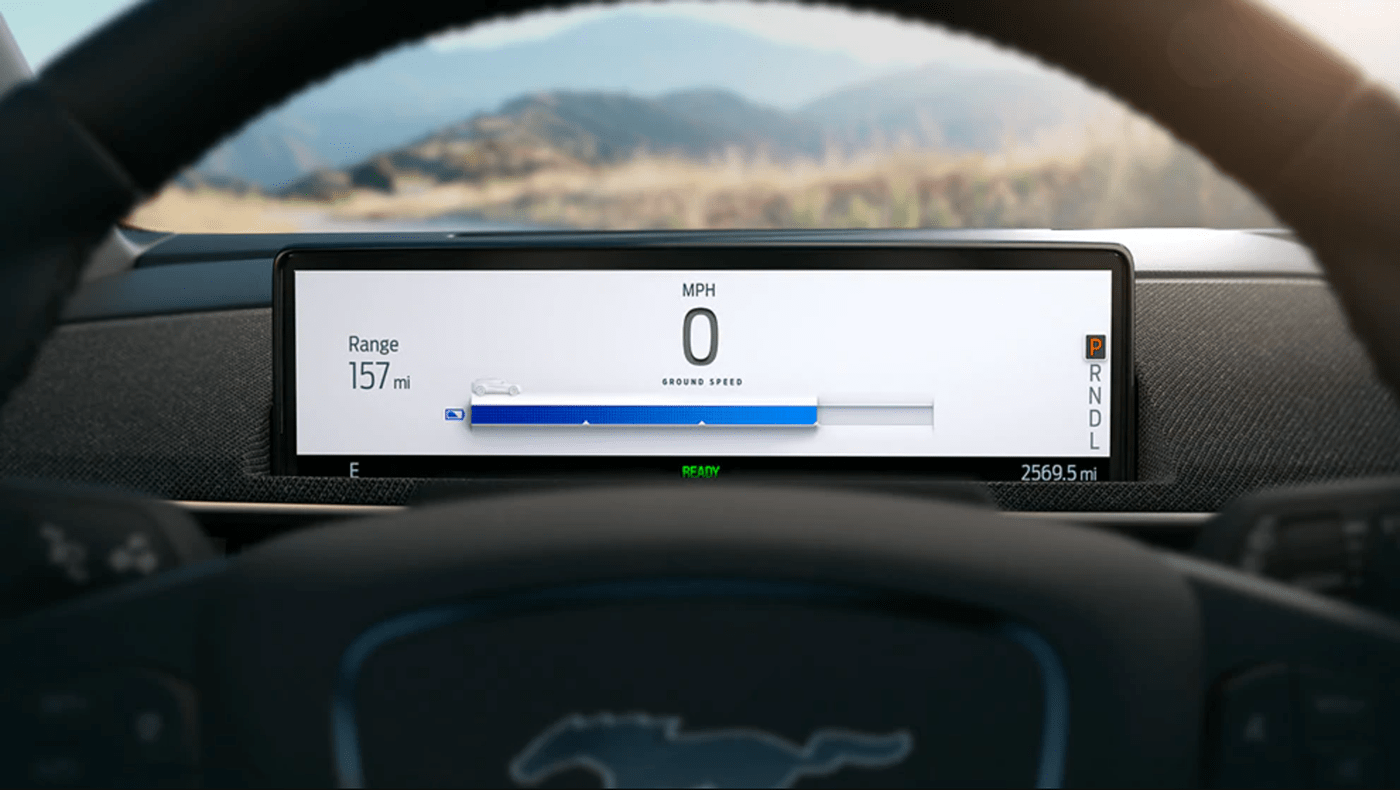
Electric vehicles introduce a fundamentally different mindset for drivers, one shaped less by horsepower and fuel gauges, and more by questions of range, charging access, and reliability over time. For many drivers, this uncertainty creates anxiety, particularly during longer trips or unfamiliar routes.
FordPass, at the time, was built around an ICE-first mental model. While functional, it lacked the guidance, reassurance, and contextual intelligence required to make EV ownership feel intuitive and comfortable. For, the challenge was not simply adding EV features, but reshaping the experience to reduce fear without alienating existing drivers.
The opportunity was clear: FordPass needed to evolve from a utility-focused companion into a confidence-building platform, one that could support Ford's EV future while honoring the familiarity that drivers had relied on for generations.
For six weeks, I was embedded on site in Detroit at Ford's newly established, and still unannounced EV facility, working under NDA alongside Ford's EV and AV teams. My role focused on shaping the next-generation EV experience within the FordPass app at a moment when Ford was actively redefining its future beyond ICE vehicles.
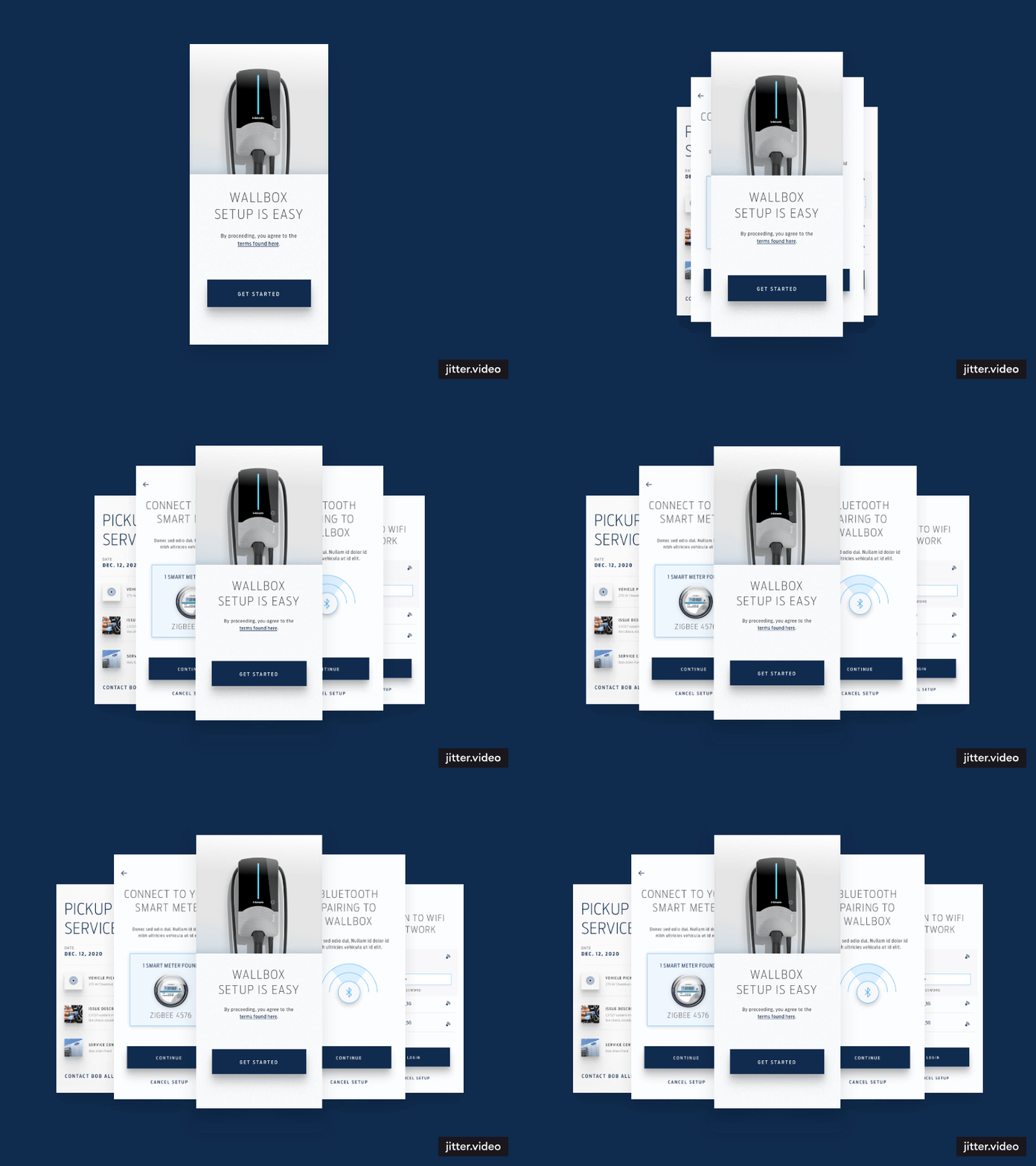
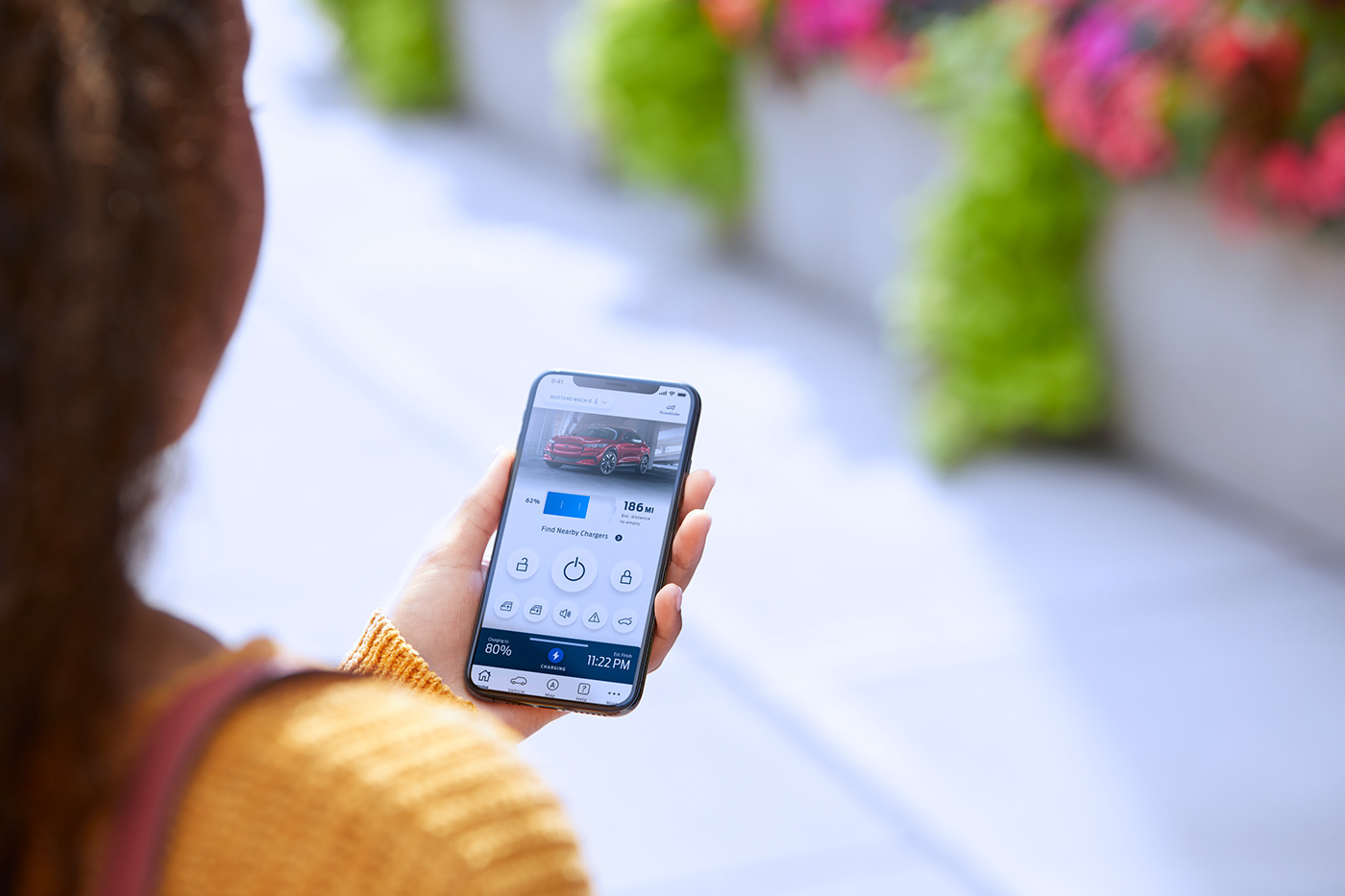
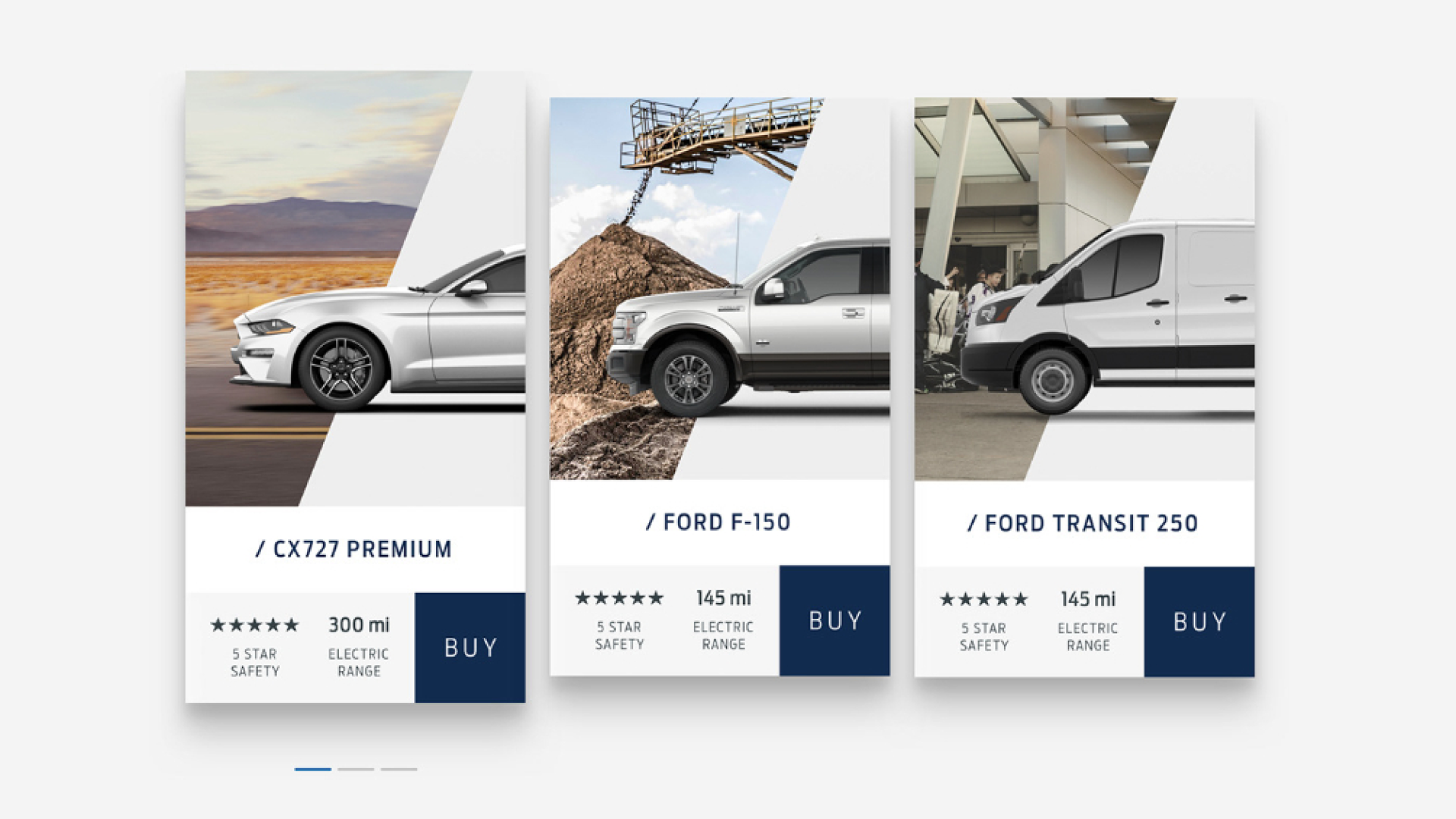
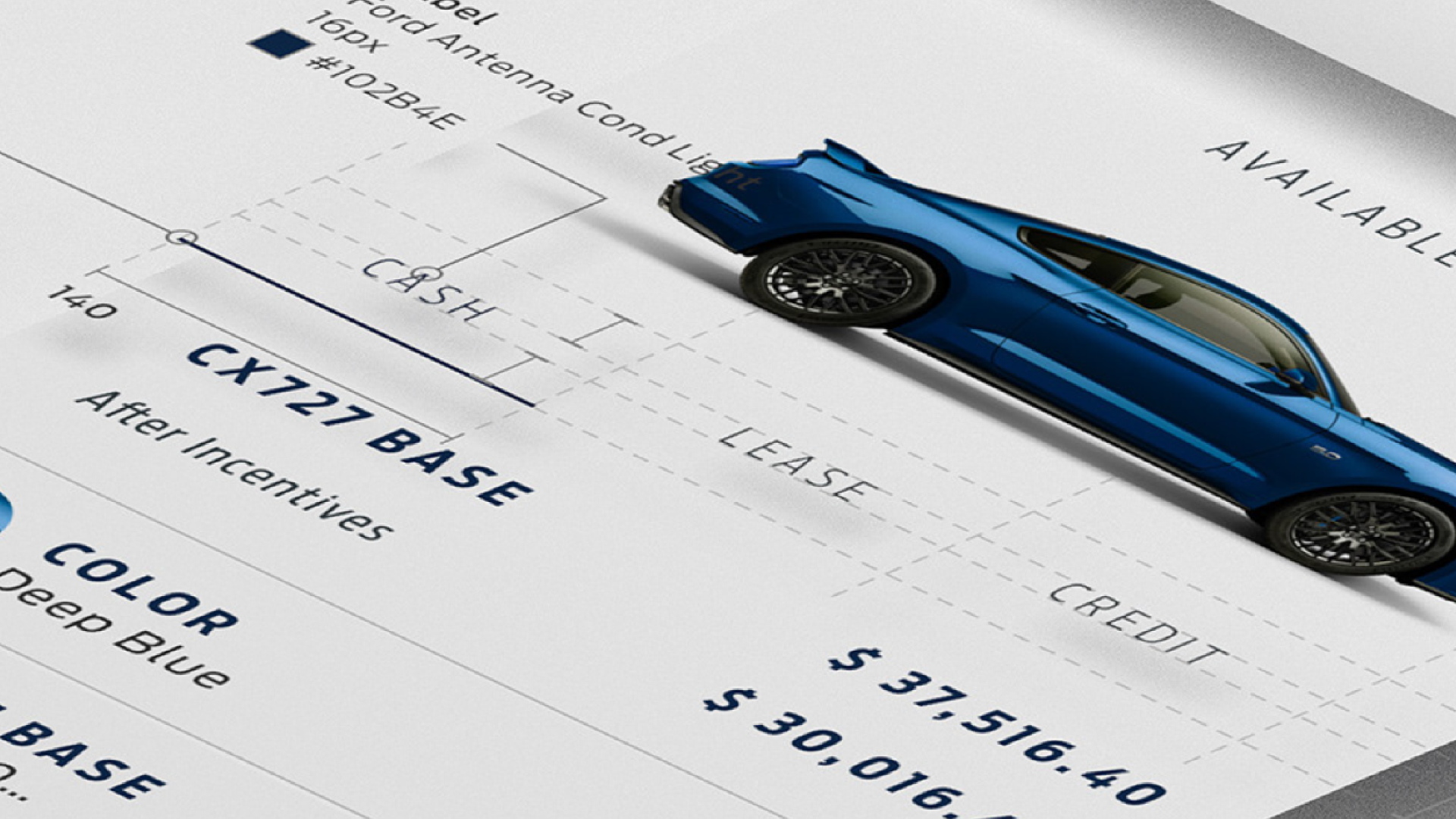
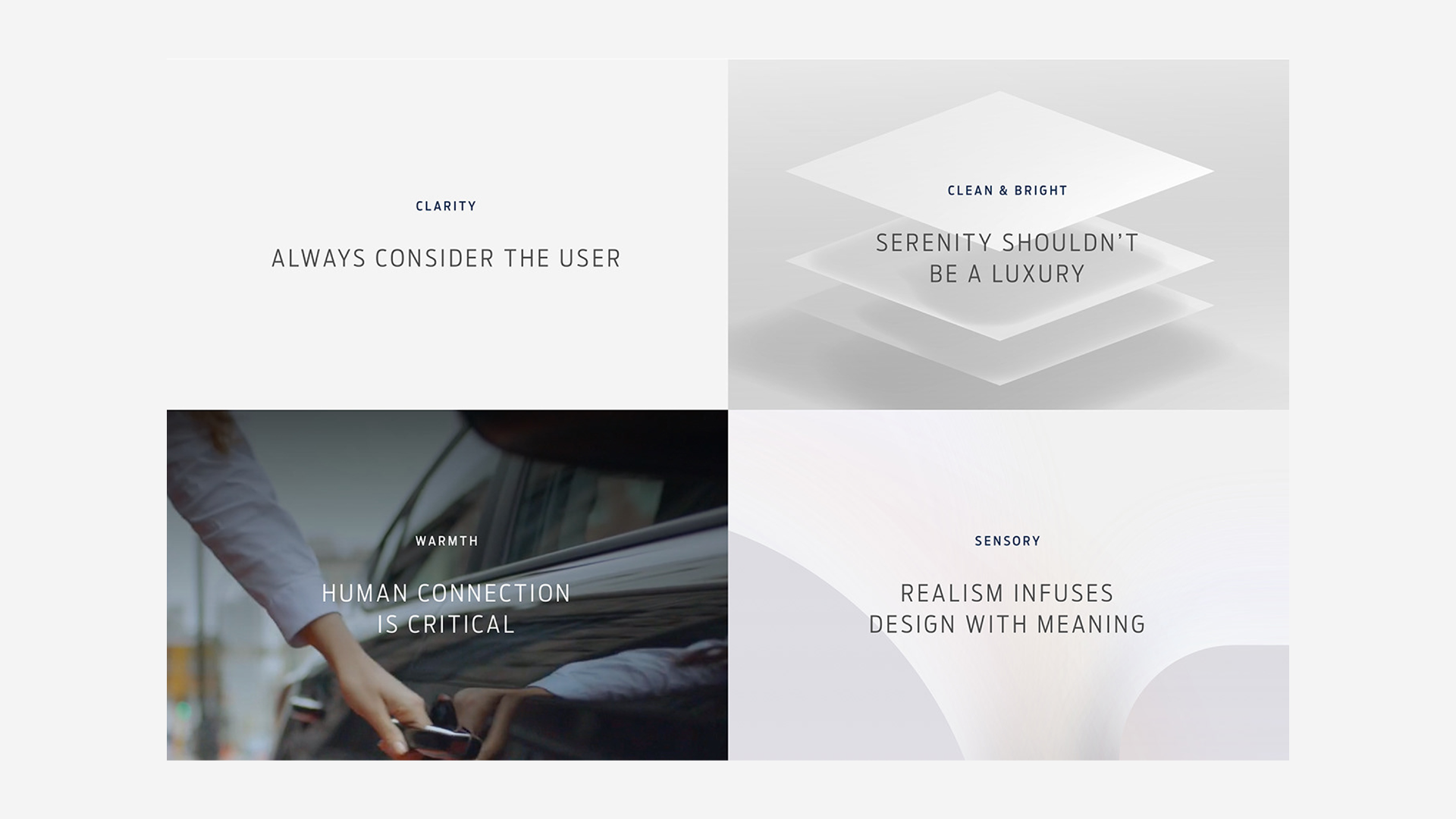
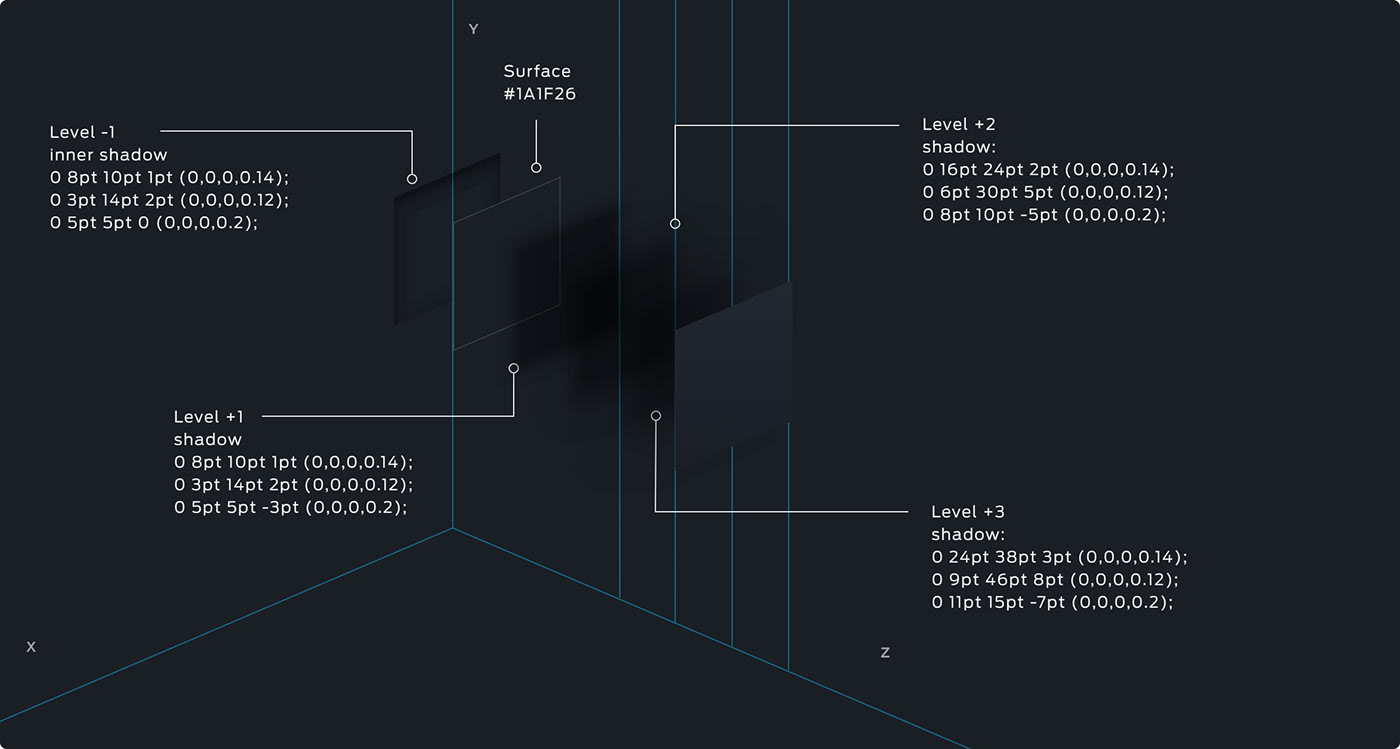
FordPass, at the time, was built around an ICE-first mental model. While functional, it lacked the guidance, reassurance, and contextual intelligence required to make EV ownership feel intuitive and comfortable. For, the challenge was not simThis work went beyond feature design. It was about translating Ford’s shift to EV into a cohesive, premium digital experience. Working within a small, senior team of three designers, I spent the first four weeks rapidly prototyping and pressure-testing how a softer, more tactile Neumorphic design language could evolve the FordPass look and feel while still honoring Ford’s brand equity. We explored experiences such as vehicle personalization, intelligent charging notifications, and tools designed to reduce range anxiety, most notably a charger map and journey-planning flow that supported EV road trips with confidence. We didnt want you to ever have to think what’s next with your EV experience. ply adding EV features, but reshaping the experience to reduce fear without alienating existing drivers.
The final two weeks were focused on executive storytelling and alignment. We refined and pitched our vision to senior leadership, including Ford's CEO, adapting quickly as new requirements and feature considerations emerged. Once the EV experience and design direction were approved, I helped scale the system across the broader Ford digital ecosystem ensuring a cohesive, future-ready experience that unified EV, ICE, and fleet products under a single design language.
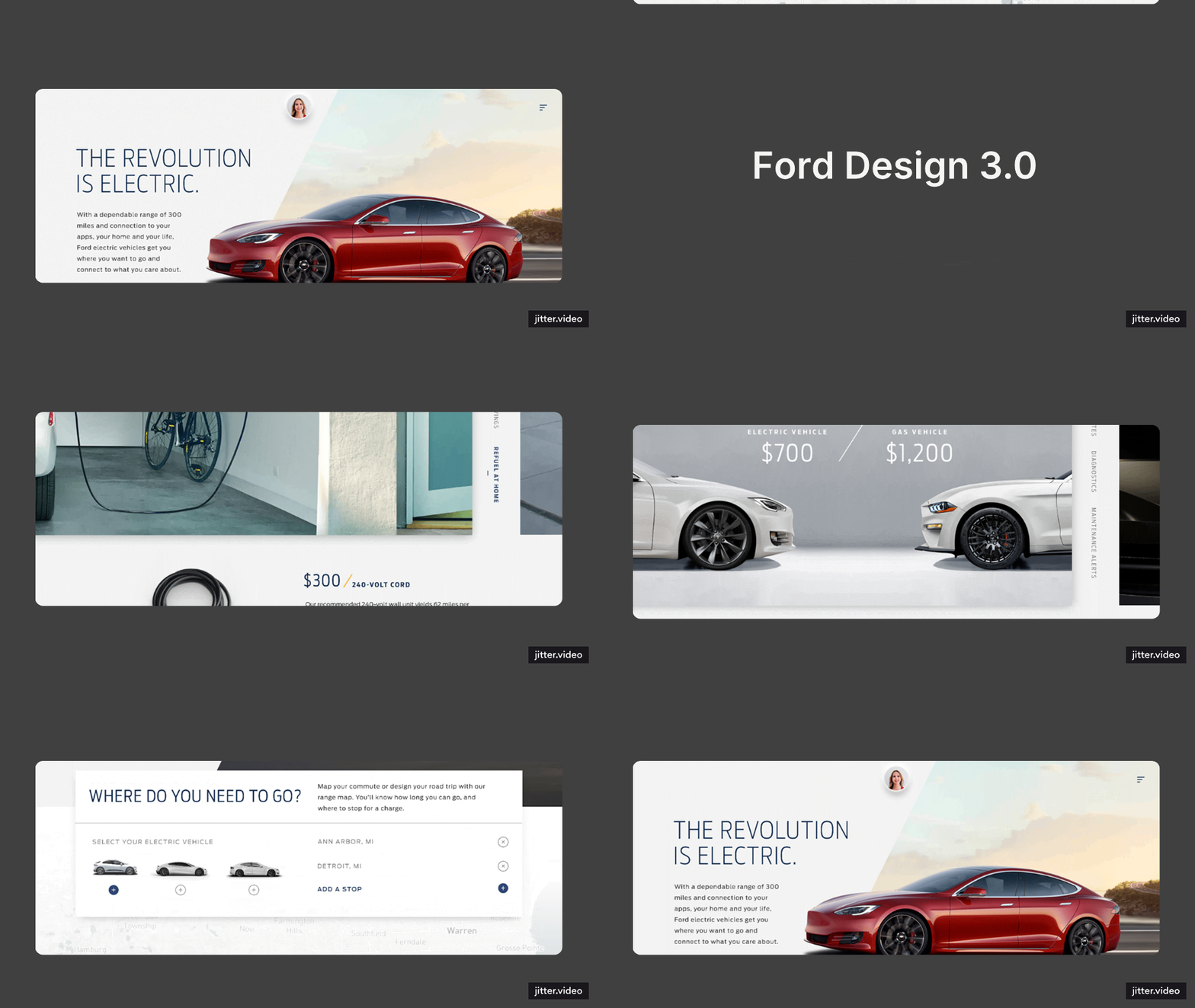
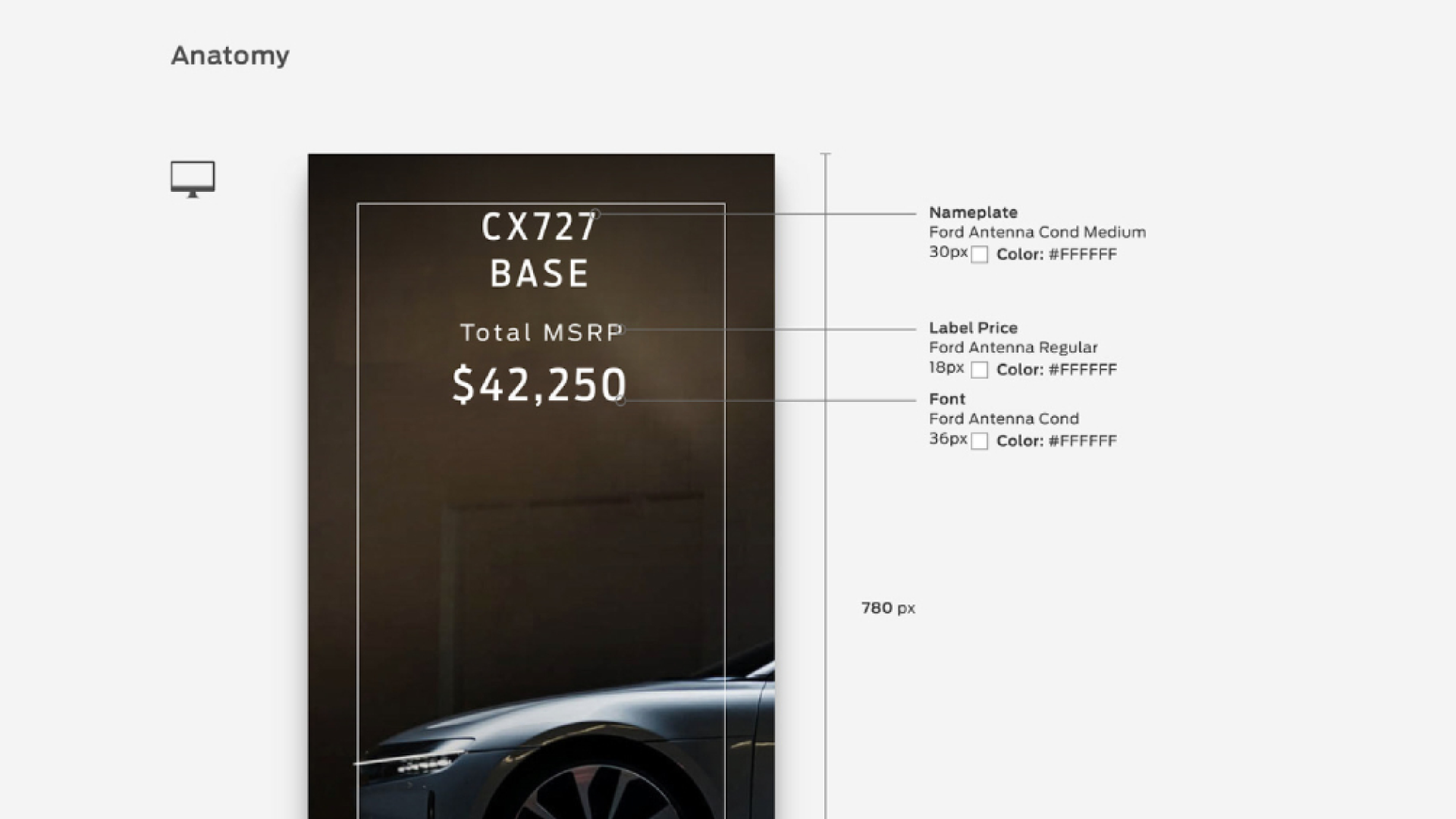
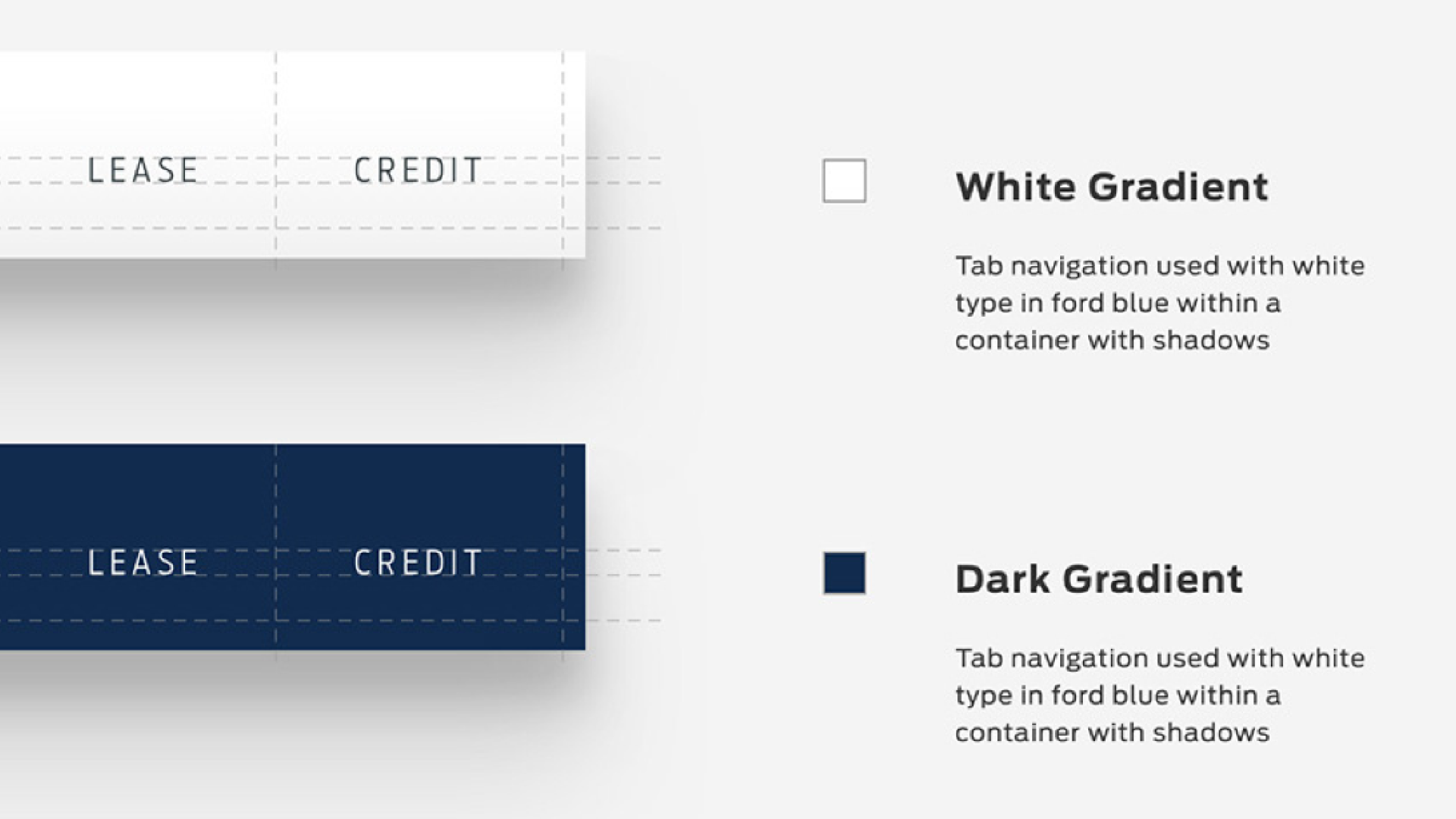
As complexity increased, the system relied on progressive disclosure rather than additional modes or screens. Default views remained simple and glanceable, deeper detail was available when needed, and the visual system evolved to support denser information without feeling technical or overwhelming.
The result was an experience that evolved in capability without feeling redesigned allowing FordPass to support Ford's first EV launch inside a single, coherent interface.
Brand Identity System
Esports Platform Design
Automotive Innovation
Didnt Make the Cut, but Won My Heart
Currated from my archive